
What Are The 5 Vitamin D3 Benefits You Should Know About
Why It’s Never Too Late To Boost Your Vitamin D
Vitamin D is a fat-soluble vitamin that your body can make from sunlight or get from certain foods. It plays a vital role in many aspects of your health, from your bones to your immune system. Here are five benefits of vitamin D that you should know about, and why it’s never too late to start getting enough of it.
You’ve probably heard by now that vitamin D is good for you, and maybe you’ve even thought about taking a supplement in hopes of maximizing your vitamin D benefits. (After all, vitamin D is one of the most Googled dietary supplements, according to research in the journal Nutrients.)
- Vitamin D supports bone health. Vitamin D helps your body absorb calcium and phosphorus, two minerals that are essential for strong bones and teeth. Without enough vitamin D, you may be at risk of developing osteoporosis, a condition where your bones become weak and brittle.
Vitamin D has long been best known for its ability to strengthen bones and more recently has also been linked to several additional health benefits, especially in the COVID-19 era. But sometimes these rumors about vitamin D benefits are inaccurate. When it comes to vitamins and your health, it can be hard to know what’s for real.
- Vitamin D boosts your immune system. Vitamin D helps regulate your immune system and fight off infections. It can also reduce inflammation, which is linked to many chronic diseases. Some studies have suggested that vitamin D may protect against respiratory infections, such as the common cold and flu.
To get to the bottom of what vitamin D can actually do for your body, we asked experts to cut through the hype and explain what we know about vitamin D benefits.
What is vitamin D?
First, a quick explanation about what this stuff is, exactly. Vitamin D is no average nutrient, and its name is actually something of a misnomer. “It’s not just a vitamin,” Sue Shapses, Ph.D., R.D., a professor of nutritional sciences at Rutgers University, tells SELF. “It’s a hormone, so it acts on many organs throughout the body.” Although we can get it through food, our bodies actually produce their own vitamin D (with the help of sunlight) and have their own receptors for vitamin D, which has a molecular structure similar to other hormones—all of which makes it more like a hormone than a true vitamin. To avoid confusion for the purposes of this article, we’ll continue to refer to it as a vitamin throughout—but it’s an interesting fact, right?
- Vitamin D improves your mood. Vitamin D affects your brain chemistry and influences the production of serotonin, a neurotransmitter that regulates your mood, sleep, and appetite. Low levels of vitamin D have been associated with depression, anxiety, and seasonal affective disorder (SAD).
Vitamin D gets into your system in two ways: You ingest it, or you make it. Vitamin D is a fat-soluble nutrient found in some foods, such as milk and salmon, and dietary supplements, according to the Office of Dietary Supplements (ODS) at the National Institutes of Health (NIH). Our bodies also make vitamin D from sunlight, which is why it’s sometimes called the sunshine vitamin. Within minutes of going outside, your skin begins to convert UV light from the sun into pre-vitamin D3, says Dr. Shapses. Then it travels through your blood, liver, and kidneys, where it’s converted to the active form of vitamin D, Shapses explains. This D3 is the kind of vitamin D your body can use, just like the version you eat.
From there, vitamin D is dispatched throughout the body so it can get to work. “In the active form, it can go to the vitamin D receptors on various areas of the body, various organs, including the pancreas, the brain, muscles, cardiac tissue—you name it,” says Shapses. Yes, your body has special vitamin D receptors. They enable vitamin D to do a myriad of things throughout your body, like reducing inflammation and affecting cell growth.
- Vitamin D enhances your brain function. Vitamin D is not only good for your body but also for your mind. It plays a role in many brain processes, such as learning, memory, cognition, and neurogenesis (the creation of new brain cells). Vitamin D also protects your brain from aging and degeneration by reducing oxidative stress and inflammation in your brain cells. Studies have shown that vitamin D deficiency is linked to cognitive impairment, dementia, Alzheimer’s disease, and Parkinson’s disease.
The benefits of vitamin D
Now, let’s get into what vitamin D can do for your body. While there’s a lot of buzz about the potential benefits of vitamin D—especially during the pandemic, as we’ll get to—the fact remains that vitamin D’s reputation as a bone builder is its most well-studied and evidence-backed benefit, Shapses says. Various other potential benefits are promising but not as proven, based on strong cell and animal studies and some encouraging studies of humans, Shapses says.
- Vitamin D may lower your blood pressure. Vitamin D may help relax your blood vessels and lower your blood pressure, which can reduce your risk of heart disease and stroke. High blood pressure is a common problem among older adults, but it can be prevented or managed with lifestyle changes, such as getting enough vitamin D.
There are studies linking low vitamin D to an increased risk of many conditions, from heart disease to obesity to depression. But like with many nutrients, it can be really hard to tease out a causal relationship here—meaning we can observe a link between adequate intake of a specific nutrient, like vitamin D, and better health outcomes, but haven’t established whether it’s that particular nutrient that’s responsible for those benefits. And often, when researchers have given people vitamin D supplements to see if the intervention has the expected effect, the results come up short.

How to get enough vitamin D
The recommended daily intake of vitamin D for adults is 15 micrograms (600 IU). However, some experts suggest that this amount may be too low for optimal health, especially for people who live in northern latitudes or have darker skin. The best way to know if you are getting enough vitamin D is to get a blood test from your doctor.
You can get vitamin D from three sources: sunlight, food, and supplements. Sunlight is the most natural and effective way to get vitamin D, as your skin can produce it when exposed to ultraviolet B (UVB) rays. However, you need to be careful not to get sunburned or increase your risk of skin cancer. The amount of sunlight you need depends on several factors, such as your skin type, the time of day, the season, and the latitude. Generally, 10 to 15 minutes of midday sun exposure on your arms and legs a few times a week is enough for most people.
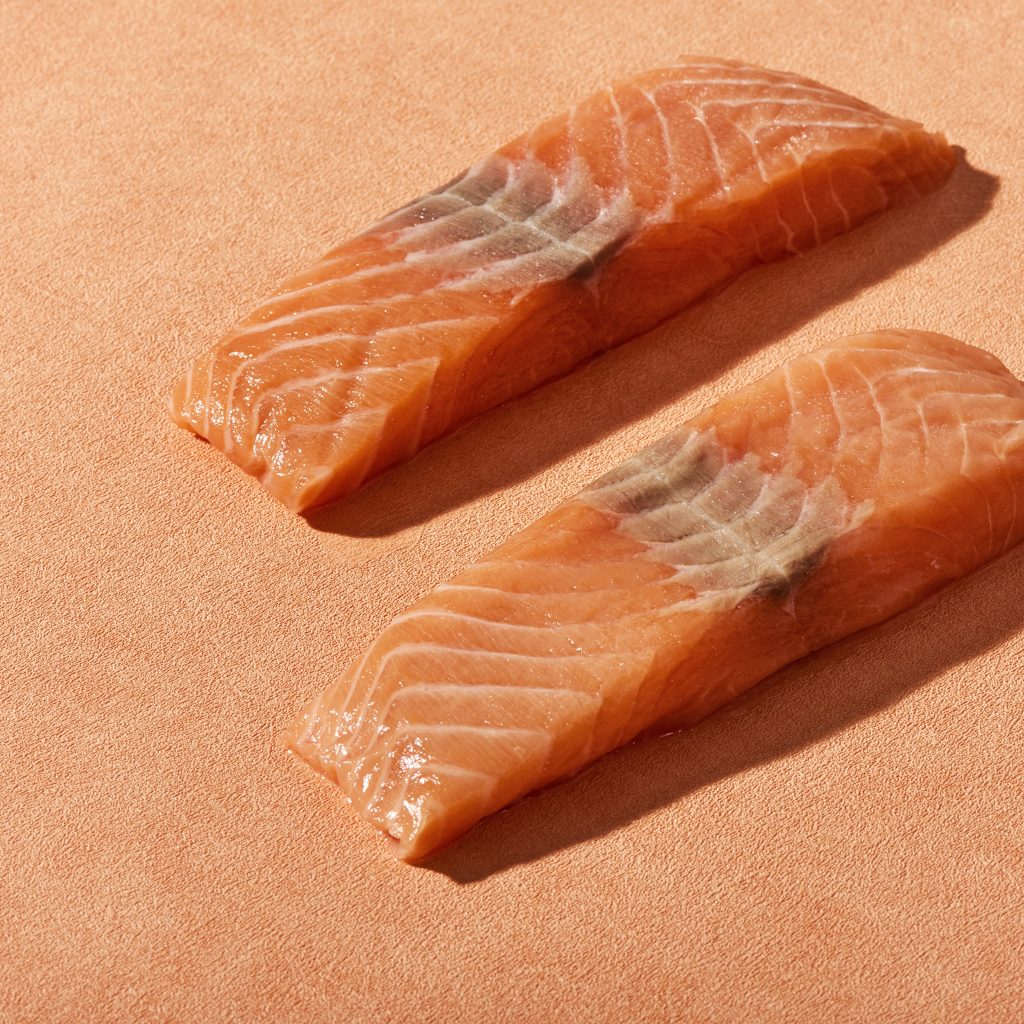
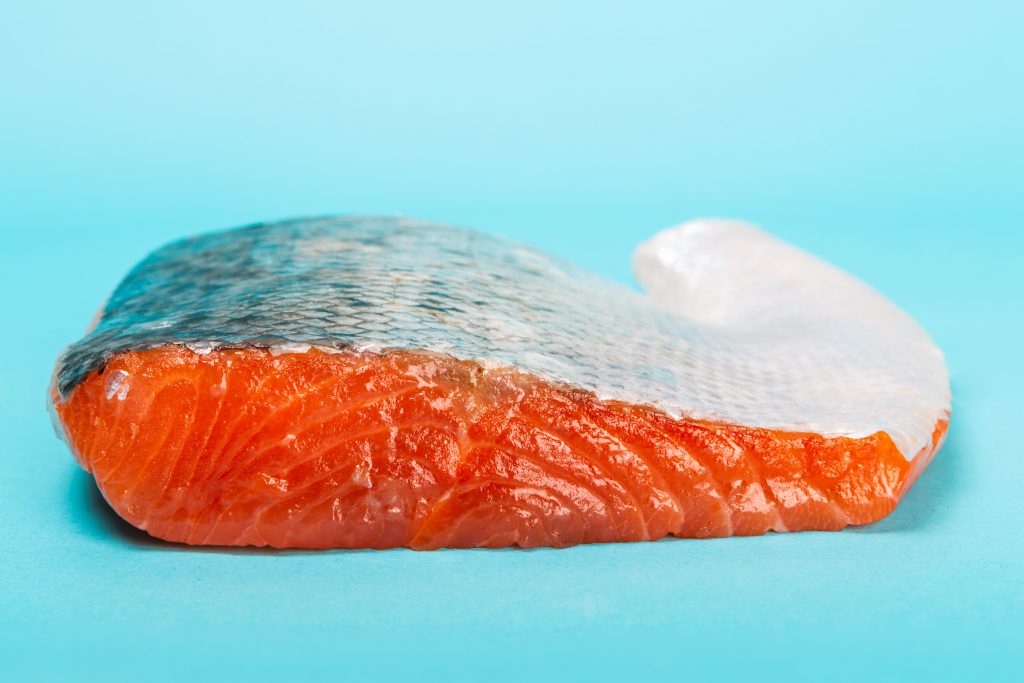
You can also get vitamin D from certain foods, such as fatty fish (salmon, tuna, mackerel), egg yolks, cheese, mushrooms, and fortified foods (milk, yogurt, cereal, and orange juice). However, it can be hard to get enough vitamin D from food alone, as most foods contain only small amounts of it.
The third option is to take vitamin D supplements, which are widely available in different forms (pills, drops, sprays) and doses. You should consult with your doctor before taking any supplements, as they may interact with other medications or cause side effects. You should also avoid taking too much vitamin D, as it can cause toxicity and harm your kidneys and other organs.
Conclusion
Vitamin D is an essential nutrient that has many benefits for your health and well-being. It’s never too late to start getting enough vitamin D from sunlight, food, or supplements. By doing so, you can improve your bone health, immune system, mood, cancer prevention, and blood pressure. So don’t wait any longer and get some sunshine today!
Vitamin D Benefits, GO TO SAUBIO DIGITAL FOR MORE ANSWERS AND INFORMATION ON ANY TOPIC
As an Amazon Associate I earn from qualifying purchases


